
By Natalie Myers
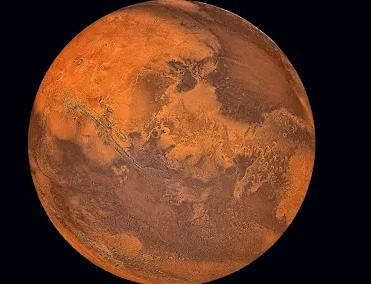
The 1971 album by David Bowie titled ‘Hunky Dory’ asked the question of its listeners – Is there life on Mars? It’s a question that was asked prior to and since the release of this famous song.
NASA seems to think so. Samples from the Perseverance rover found evidence of rock samples taken from an ancient river that could possibly signify life was once present on the planet.
Perseverance, or Percy as he is known, was part of NASAs 2020 Mars mission, landing on the planet in February 2021. Its mission objectives were simple
- Identify habitats that were capable of supporting microbial life
- Seek bio-signatures of the habitats identified
- Collect rock and soil samples
- Test oxygen production from the Mars atmosphere
In 2020, an article was published in Nature Astronomy by Italian researchers announcing the discovery of lakes on Mars below the southern ice cap. The European Space Agency probe radar collected data showing that salt water was present around one kilometre below the surface. This followed on from research during the years previous which detected water however was based on only twenty nine observations which left some scientists sceptical of the results.
The study concluded “The water bodies at the base of the (south polar layered deposits) therefore represent areas of potential astrobiological interest and planetary protection concern.”
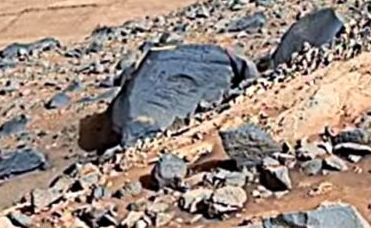
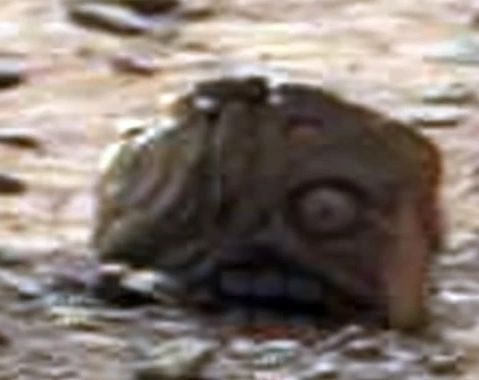
In 2012 when the Curiosity rover landed on Mars, it sent back pictures that showed the possibility of ancient scripts/texts on rocks. It is possible these are simple natural markings in the rock surface, but for many it showed evidence of alien life having been present.
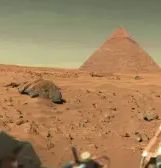
Another image captured by Curiosity, was that of a pyramid. The symmetry is near perfect and perhaps points to a structure not formed in nature. Many have since questioned why further follow up photos of the pyramid have not been disclosed, stating that NASA clearly wants to distance themselves from evidence of alien civilisation. The other curious thing about this photo is that each picture was taken at 30 second intervals. Strange that the photo taken immediately after the one below showed no evidence of a pyramid structure.
Other images
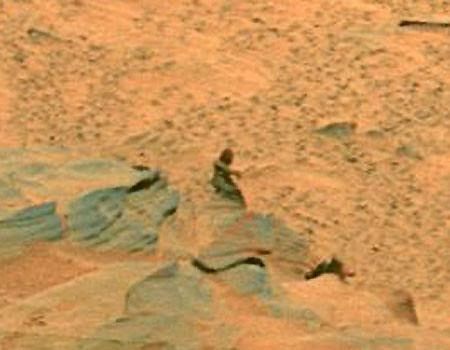
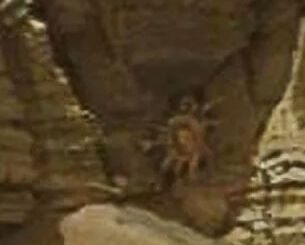
Is this Bigfoot showing up on Mars? Taken by NASA Rover Spirit in 2007 it clearly looks to have a head, legs and a pointing arm. Sadly this shot is a great example of pareidolia. This is when humans see patterns in random shapes and regularly pick out faces or bodies. Images taken days before and after by the same rover show the image hasn’t moved. When you work out how far it is from the camera itself it would mean that Bigfoot would actually stand no more than 6cm tall!
A further example of pareidolia is the famous ‘Face on Mars’
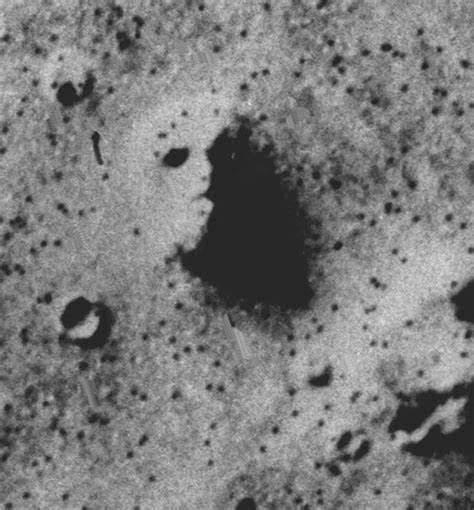
When viewed in different directions and at different resolutions it is clearly simply a group of rocks.
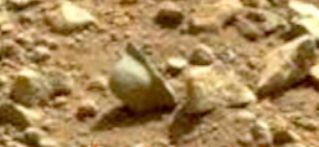
The above picture was taken in 2013 by NASA. It appears to show some kind of helmet on the surface of Mars. The image below, taken by NASA in 2012, shows a similarly shaped object in another location.
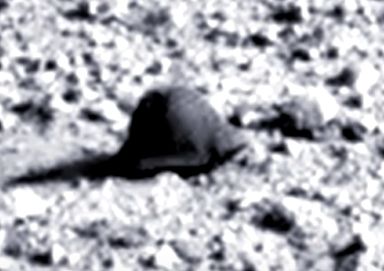
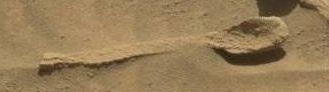
A spoon found on the surface? Or just dust?
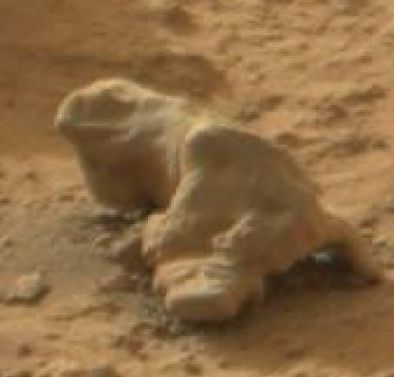
Is this Mars rock, or a fossilised iguana?
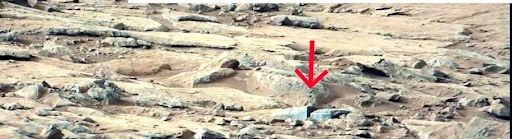
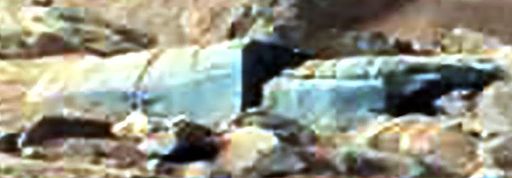
Is this a base on Mars ?– the wider shot does show what appears to be a structure different from the rocks in the area, captured on the Mars rover camera in 2015.
Crabs on Mars?
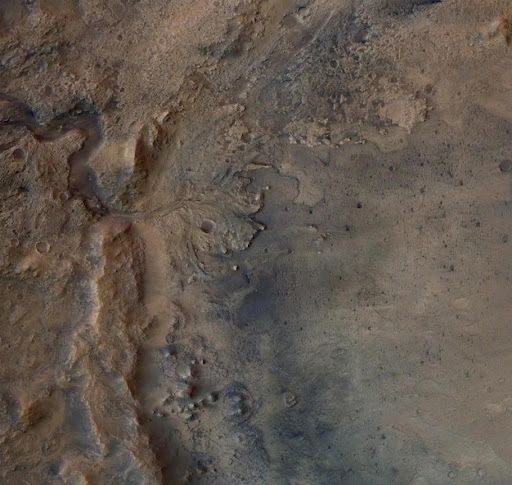
The following is the Jezero crater on Mars which NASA have announced as probably the most likely area for finding scientific evidence of past life. This large crater which, approximately 49 km wide, was born out of a meteor impact on the planet. About 3.5 billion years ago rivers on Mars breached the crater of Jezero and filled it up. It is for this reason that scientists believe that evidence may be buried and preserved all these years later. We now have evidence of possible life collected on various explorations on the planet. This was deduced by examining fossils collected during various Mars missions. This theory has however been questioned this month by the publication in ‘Journal of the Geological Society’. Scientists claim that it is possible that these fossils are non-biological. During their research they were able to create fossil replicas on rocks from Mars without using a biological agent.
The conclusion is well…..it’s complicated. Yes, we are programmed to see faces and objects as humans but if you stop and look at some of these images, can we really say for sure that it’s just in our heads? The different and often opposing scientific answers also don’t help us to form a solid answer. For now we only have what NASA show us and we know that sometimes this isn’t always as it seems. We hope that as technology gets more advanced and visits to the red planet more frequent, more answers may come our way.
Here’s hoping !