
By Natalie Pearce
Who doesn’t know the story about Nessie? Many people believe that somewhere deep down in Loch Ness, Scotland lives a large sea creature, perhaps prehistoric in nature. The tale of course has produced many hoaxes over the years but what evidence do we have to confirm its existence?

Loch Ness is the largest body of fresh water in the UK and is fed by seven major rivers. It sits around 23 miles long and half a mile wide, reaching depths of 750 meters. All of the water in the lakes of England and Wales can fit inside the loch, with room to spare.
Sightings of a ‘monster’ have been reported as far back as 1871 when a “large log like creature was observed swimming at speed”. Sightings have remained steady since then and many scientific investigations have been conducted.
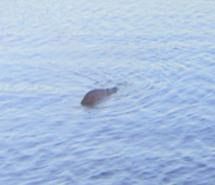
The first famous sightings were in 1933 by Aldie McKay and George Spicer.
Spicer describes seeing a “sea serpent”. What is unusual about his account is that he claimed to see a creature meander across the road. Stating it was 4ft high and 28ft long carrying something in its mouth. Its most unusual feature was its long neck “slightly thicker than an elephant’s trunk”.
McKay had his sighting published in the local paper in which he states “The creature disported itself, rolling and plunging for fully a minute, its body
resembling that of a whale, and the water cascading and churning like a simmering cauldron. Soon, however, it disappeared in a boiling mass of foam”.
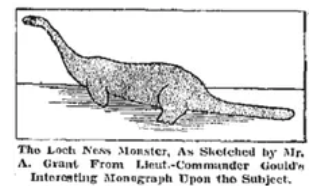
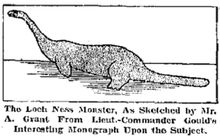
The following year, there was another land sighting by a student named Arthur Grant. He drew what he had witnessed and recalled the creature having a small head on a long neck. The creature stared at him and crossed back to get back in the loch, disappearing leaving just ripples in the water.
So what could it be?
Many hundreds of suggestions have been made over the years as to what Nessie may be. Some are far-fetched and some may just offer an explanation.
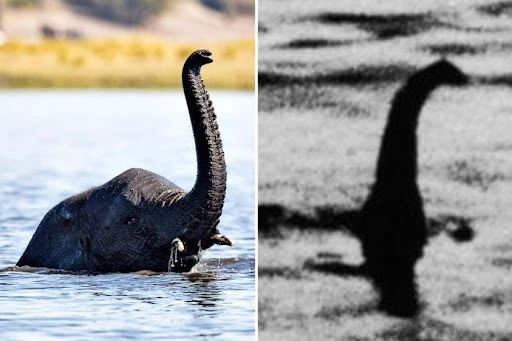
Elephants – It has been suggested that some of the famous pictures that show what you could say is a ‘trunk’ sicking out of the water is in fact an Elephant. In a 1979 article, biologists stated that this was in fact the case but felt the photos had been taken elsewhere. Then again in 2006, it was reported that traveling circuses would let their Elephants bathe in the loch and that is how the photographs came into existence.
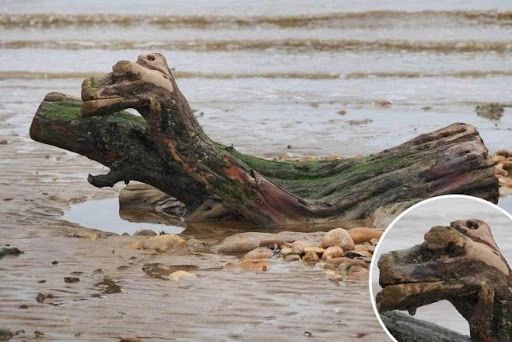
Fermenting Logs
Published in the New Scientist in 1982, Dr Maurice Burton suggested that fermenting Scots pine trees are the most likely culprit to the mystery in the loch. As they release their gas, they can shoot to the top of the water and pop out into the air resembling the sea monster.
Seiches and Wakes
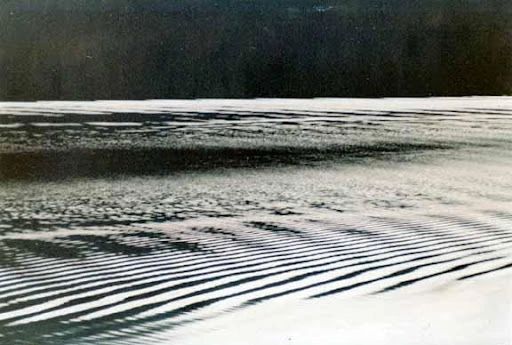
Loch Ness is very long and thin in its shape. A seiche is a very large oscillation caused by water going back to its original level following having been blown by wind to one end of the lake. It is thought this occurs around every half hour on the loch.
Boats also leave wakes in their paths when traversing the water. As a boat passes over the central part of the loch, its wake disperses and hits the shore on each side at approximately the same time. It then deflects back on itself and meets again in the middle of the loch causing a large ripple or ‘standing wave’ much larger than the original wake.
Seals
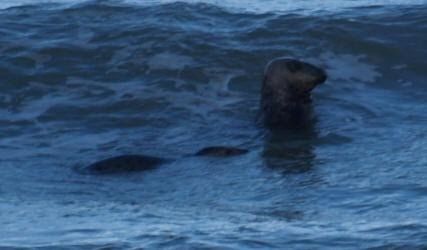
Plenty of seals call Loch Ness their home. Many say the neck of a grey seal is long and extendable. It is not uncommon to see the loch seals swim close to shore or even cross the roads surrounding the loch. Whilst it isn’t thought a permanent colony live there, sightings can go on for a number of months at a time.
Plesiosaur
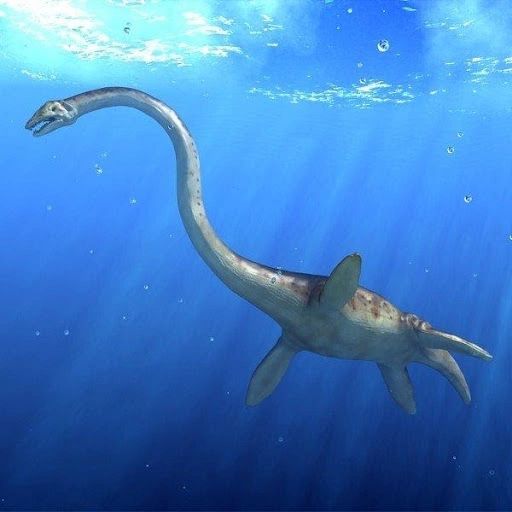
The iconic image of the Plesiosaur is synonymous with the Loch Ness Monster, however is the least likely to be true. The loch is around 10,000 years old and prior to this was frozen for at least 20,000 years so Nessie could not be a prehistoric animal. Palaeontologists argue that the bone structure of the neck of a plesiosaur would not support it to reach out of the water in ways suggested by some of the photographic evidence of the monster. They also state that a plesiosaur would surface every few minutes to breathe so sightings would be a regular occurrence. They also lived in warm waters as they were cold blooded and in no way can you describe a Scottish loch as being warm.
Conclusions
Researchers and monster hunters have been trying to find evidence of Nessie for years. Sonar expeditions have been plentiful but have never found any concrete evidence. DNA surveys of the loch came up empty for any strange creature. Just last week a wild camper released footage from his drone of what he claims is the monster in the shallows of the loch. Some of the research investigations are listed below:
Edward Mountin Expedition – 1934
Loch Ness Phenomena Investigation Bureau – 1962-72
Sonar Study – 1967/68
Academy of Applied Sciences Study – 1972 / 1975 / 2001 / 2008
Operation Deepscan – 1987
BBC Sonar Search – 2003
University of Otago DNA survey study – 2018
What is a certainty is the £80million that the legend brings to the Scottish economy each year. Could it be in the best interest of the community to keep this story alive? That said, this story is not a new one. It is steeped in history and intrigue and until an actual Nessie is caught, I don’t think we will every be able to fully prove its existence in the loch.